Radiopharmaceutical Innovators Challenge Industry Caution in Cancer Therapy
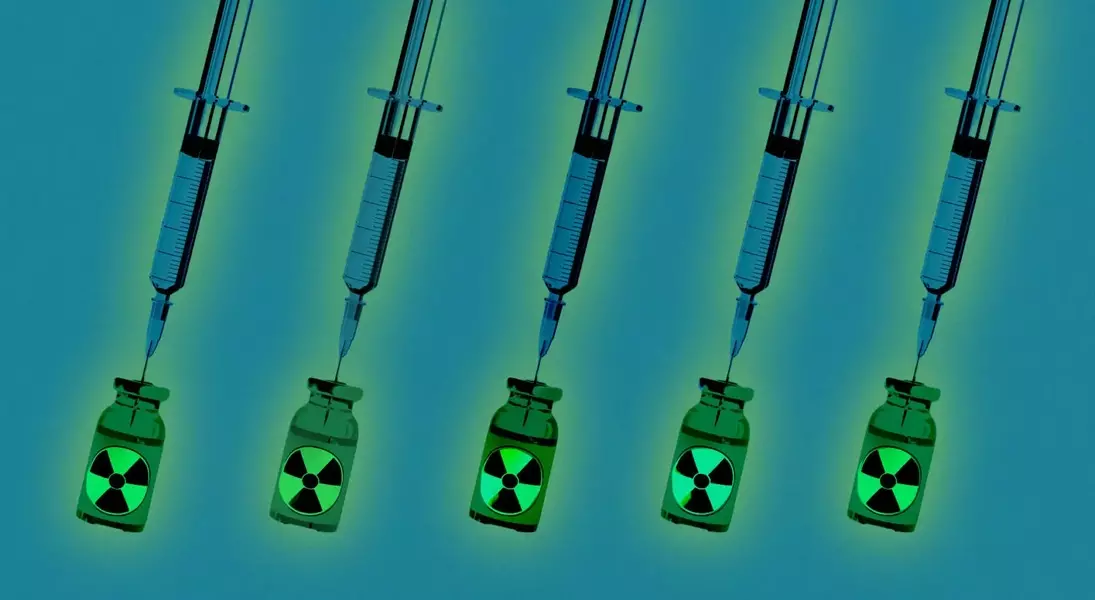
A growing consensus among radiopharmaceutical experts suggests that the pharmaceutical industry's conservative stance on dosing may be impeding the full potential of these advanced cancer therapies. While safety concerns are acknowledged, proponents argue for bolder strategies to maximize treatment efficacy and improve patient longevity.
Radiopharmaceutical Experts Advocate for Enhanced Dosing Regimens
In the vibrant field of oncology, particularly on August 31, 2026, a distinguished group of radiopharmaceutical specialists, led by the influential Louise Emmett, is urging a paradigm shift in how these potent cancer treatments are administered. Working alongside global pharmaceutical giants such as AstraZeneca and Novartis, Emmett and her colleagues contend that the industry is exhibiting undue caution, thereby limiting the transformative power of these 21st-century radiation-based therapies. Their central argument revolves around the belief that more frequent dosing of radiopharmaceuticals could significantly enhance their ability to eradicate cancerous cells and extend patient survival.
This innovative perspective emerges against a backdrop of increasing concerns over potential adverse effects on vital organs, including the kidneys, liver, and bone marrow. Over the past five years, as the development of these therapies has accelerated, several experimental treatments have encountered unexpected safety issues, leading to the closure of at least one company and creating substantial challenges for others. Nevertheless, these experts maintain that the current understanding of radiopharmaceuticals’ capabilities, coupled with vigilant monitoring, supports a more audacious approach to treatment. They highlight the urgent need for a re-evaluation of dosing protocols to unlock the full therapeutic benefits of these groundbreaking agents.
This discourse underscores a critical tension between the imperative for patient safety and the drive for maximum therapeutic impact in cancer care. It calls into question whether the pharmaceutical industry's current risk aversion is inadvertently curtailing the potential of treatments that could offer significant hope to cancer patients worldwide. The experts' plea serves as a powerful reminder that innovation often requires challenging established norms and embracing calculated risks for the greater good of medical progress.
The debate surrounding radiopharmaceutical dosing brings to light the delicate balance between innovation, risk assessment, and patient benefit in the pharmaceutical landscape. It challenges us to consider whether current regulatory and industry practices are sufficiently agile to accommodate rapid advancements in treatment modalities. Perhaps a more collaborative approach, fostering open dialogue between researchers, clinicians, and regulatory bodies, could pave the way for optimized dosing strategies that prioritize both safety and the full therapeutic potential of these life-changing treatments.