A Culinary Journey to Sicily: Flavors and Recipes
This article transports readers to the heart of Sicilian gastronomy, vividly describing the island's bountiful landscapes and fresh produce. It recounts a delightful culinary experience, from selecting fresh fish at a seaside eatery to savoring exquisite seafood pasta. The narrative also introduces two other iconic Sicilian dishes: a versatile caponata, perfect for various occasions, and a unique roasted pear dessert with zabaglione. The piece emphasizes the authentic flavors and adaptable nature of Sicilian cooking, encouraging home cooks to recreate these delicious experiences.
The author's vivid depiction of Sicily paints a picture of a land blessed with olive groves, vineyards, wheat fields, and wild herbs like fennel and artichokes. The vibrant market stalls overflow with seasonal vegetables, including cauliflower, eggplant, and the distinctive yard-long cucuzzi squash. The lively fish markets, or pescherias, showcase an impressive array of fresh seafood: swordfish, tuna, branzino, sardines, cuttlefish, and sea urchins, igniting a craving for the island's culinary delights. During a recent visit, friends from Catania guided the author to a charming coastal restaurant renowned for its all-fish menu. Guests personally choose their desired fish from a display of daily catches kept on ice before being seated at rustic, sun-drenched tables and chairs situated directly on the docks, offering an authentic dining experience by the sea.
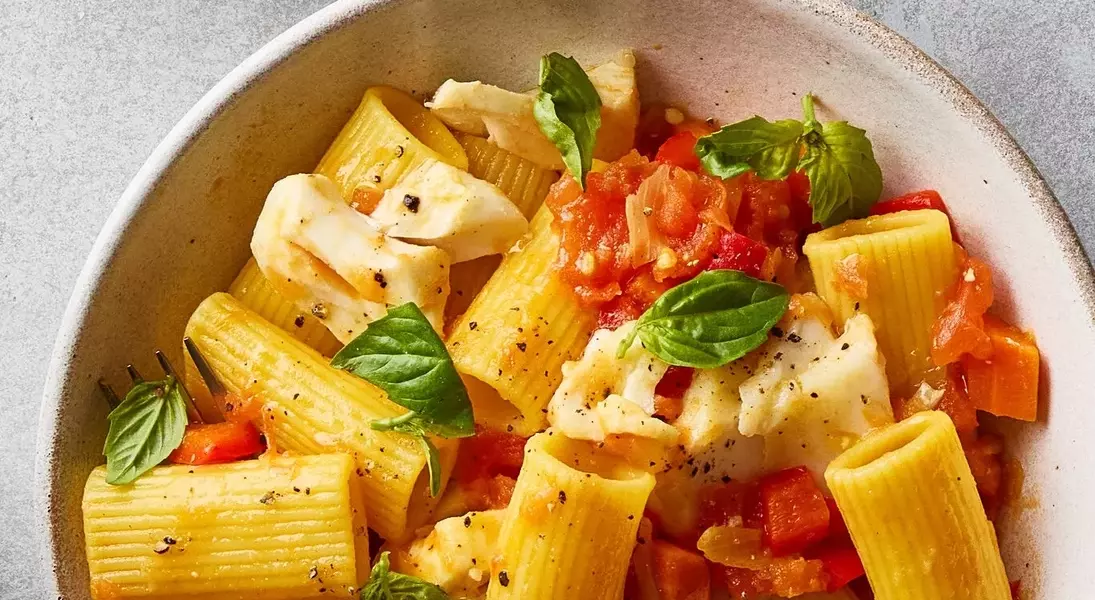
For the main course, the selected fish is expertly roasted whole in a traditional wood-burning oven, then meticulously deboned. It can be enjoyed simply, dressed with olive oil and lemon, or, as the author particularly savored, tossed with pasta and a quickly prepared sauce. The pasta used was paccheri, a robust and satisfyingly chewy shape known for its ability to hold sauces beautifully. However, the article suggests that other hearty pasta varieties like rigatoni, calamarata, or pappardelle could be suitable substitutes. The accompanying sauce, a revelation in itself, was a skillfully crafted ragù di pesce, featuring sautéed onions and red peppers in olive oil, combined with chopped tomatoes and a splash of white wine. The tender, boneless pieces of roasted fish were then incorporated into this simple yet perfectly delicious mixture, providing just the right amount of sauciness to complement the pasta. In Sicily, orata (sea bream) was the fish of choice, but back home, cod and halibut proved equally delightful, and the author notes that nearly any firm-fleshed, freshly caught fish, such as rockfish, sea bass, or corvina, would work wonderfully.
Prior to the main meal, the guests enjoyed standing and sampling crostini topped with savory caponata, perfectly paired with a crisp bottle of Grillo, a local white wine. Traditional caponata is a sweet-and-sour dish made with eggplant fried in olive oil, then simmered with tomatoes, vinegar, sugar, capers, green olives, celery, and sometimes raisins. The author also mentions that variations exist, incorporating artichokes or other seasonal vegetables, always retaining the characteristic agrodolce (sweet-sour) profile. The author's personal rendition features zucchini and eggplant, both readily available at the market, and uses less tomato, reminiscent of the version found in Italian delis. While caponata can be consumed immediately, its flavors truly meld and deepen after a day or two, making it an excellent dish to prepare in advance and keep on hand in the refrigerator for spontaneous appetizers or late-night snacks.
For dessert, the author, being particularly fond of roasted fruits, extended this theme to pears, subtly flavored with a touch of powdered fennel seed. These roasted pears were then generously covered with a creamy zabaglione, a rich custard enhanced with Marsala, a fortified sweet wine. Sicilian zabaglione is a simple yet exquisite creation, combining Marsala, egg yolks, and sugar, which are then heated and vigorously whipped into a frothy, ethereal custard. While restaurants often present its preparation as a theatrical display, with chefs energetically whisking the mixture by hand in copper pans, making it at home requires considerable arm strength or the assistance of a willing helper. However, the author assures that the effort is entirely worthwhile for such a delightful sauce, concluding a truly memorable Sicilian meal.
This culinary journey through Sicily highlights the island's profound connection to its natural bounty and rich gastronomic heritage. From the vibrant seafood markets and rustic seaside dining to the intricate flavors of its classic dishes, the experience underscores the simplicity and depth of Sicilian cuisine. The emphasis on fresh, seasonal ingredients and traditional preparation methods reveals a food culture that is both deeply rooted and endlessly inspiring for home cooks seeking to capture the essence of the Mediterranean at their own tables.