Key Developments in the Pharmaceutical Sector: CVS Restructuring, FDA Inspections, and Drug Trial Outcomes

This report compiles recent significant occurrences within the pharmaceutical and healthcare sectors. Major topics include CVS Health's plan to separate its businesses into two distinct entities, a move that reverses a decade-long consolidation strategy. Additionally, the U.S. Food and Drug Administration (FDA) has notably increased its unannounced inspection activities at drug manufacturing sites in India and China to ensure compliance with quality standards. A further highlight is the unsuccessful outcome of Servier's experimental drug trial, where a substantial investment failed to yield positive results in treating a rare form of muscular dystrophy.
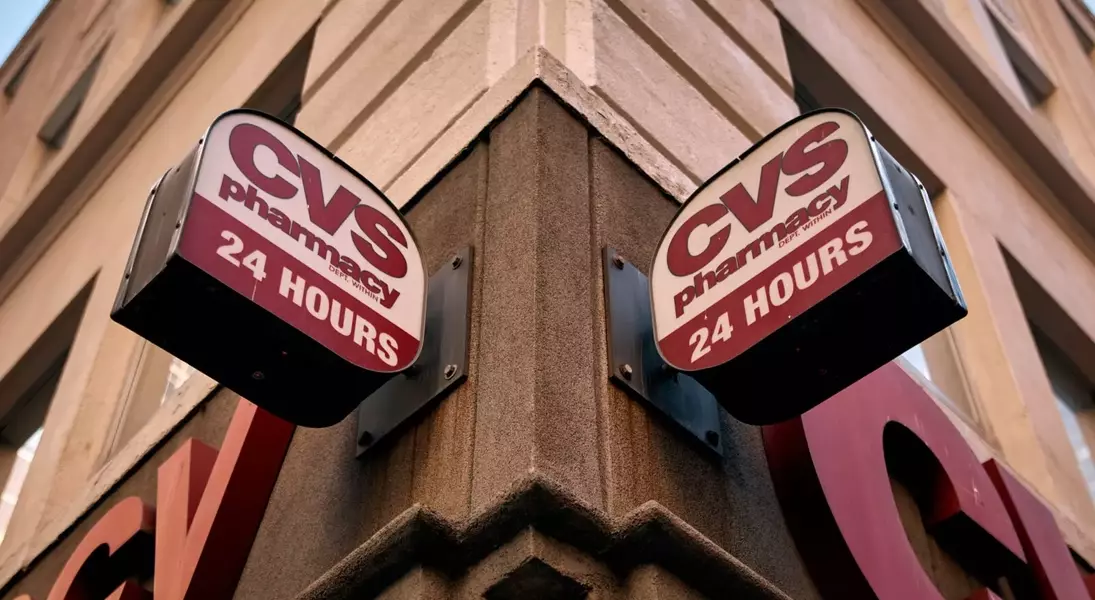
CVS Health, a prominent player in the U.S. healthcare landscape, has announced its intention to undergo a major corporate restructuring. The company plans to bifurcate its operations by early 2028, creating two independent firms. One entity will encompass its insurance arm, Aetna, and its pharmacy-benefit management service, Caremark. The other will manage its extensive network of approximately 9,000 retail pharmacies. This strategic unwinding marks a departure from the company's previous direction, which saw the near- billion merger of Aetna and CVS almost a decade ago. That merger was emblematic of a trend towards vertical integration in the healthcare industry, aiming to consolidate diverse services under one corporate umbrella. The decision to split suggests a recalibration of strategy, potentially driven by market dynamics, regulatory pressures, or a desire to unlock greater value for shareholders by allowing each segment to focus more acutely on its core competencies.
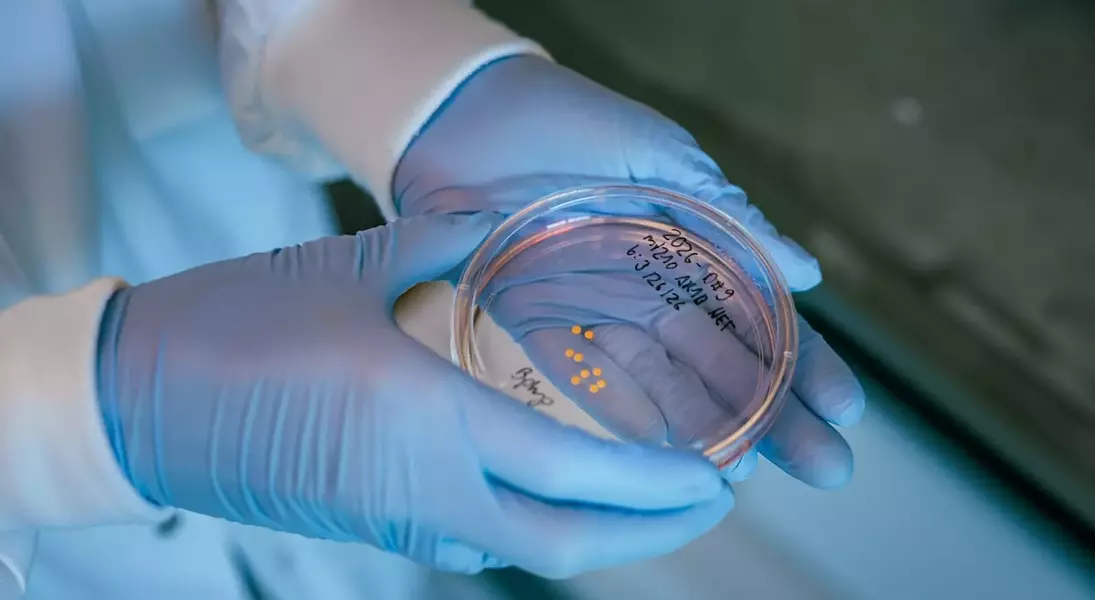
In parallel, the U.S. Food and Drug Administration has stepped up its oversight of international drug manufacturing facilities, particularly in India and China. For the fiscal year 2026, the FDA reported a significant increase in unannounced drug inspections in these countries compared to the previous year. This surge is part of a broader initiative by the agency to achieve greater parity between domestic and foreign inspections, aiming to ensure consistent quality and safety standards for all pharmaceutical products entering the U.S. market. Specifically, the proportion of unannounced inspections in India jumped from 47% in fiscal year 2025 to 87% in fiscal year 2026. China also saw a substantial rise, with unannounced inspections increasing from 19% to 61% during the same period. This intensified scrutiny underscores the FDA's commitment to maintaining drug quality and safety across the global supply chain.
Adding to the week's pharmaceutical news, Servier, a pharmaceutical company, disclosed that an experimental drug it acquired for .55 billion in cash did not meet its primary efficacy endpoints in a clinical trial. The drug was being developed to treat a rare form of muscular dystrophy. This outcome represents a significant setback for Servier, highlighting the inherent risks and challenges associated with pharmaceutical research and development. Despite substantial investment, many experimental treatments fail to demonstrate sufficient efficacy or safety in advanced clinical stages, underscoring the complexities of bringing new therapies to market for diseases with high unmet needs.
The week's pharmaceutical news reflects a dynamic industry facing strategic realignments, heightened regulatory scrutiny, and the inherent challenges of drug development. From CVS Health's transformative split to the FDA's global inspection efforts and Servier's drug trial disappointment, these events collectively illustrate the continuous evolution and inherent risks within the global healthcare and pharmaceutical landscape.